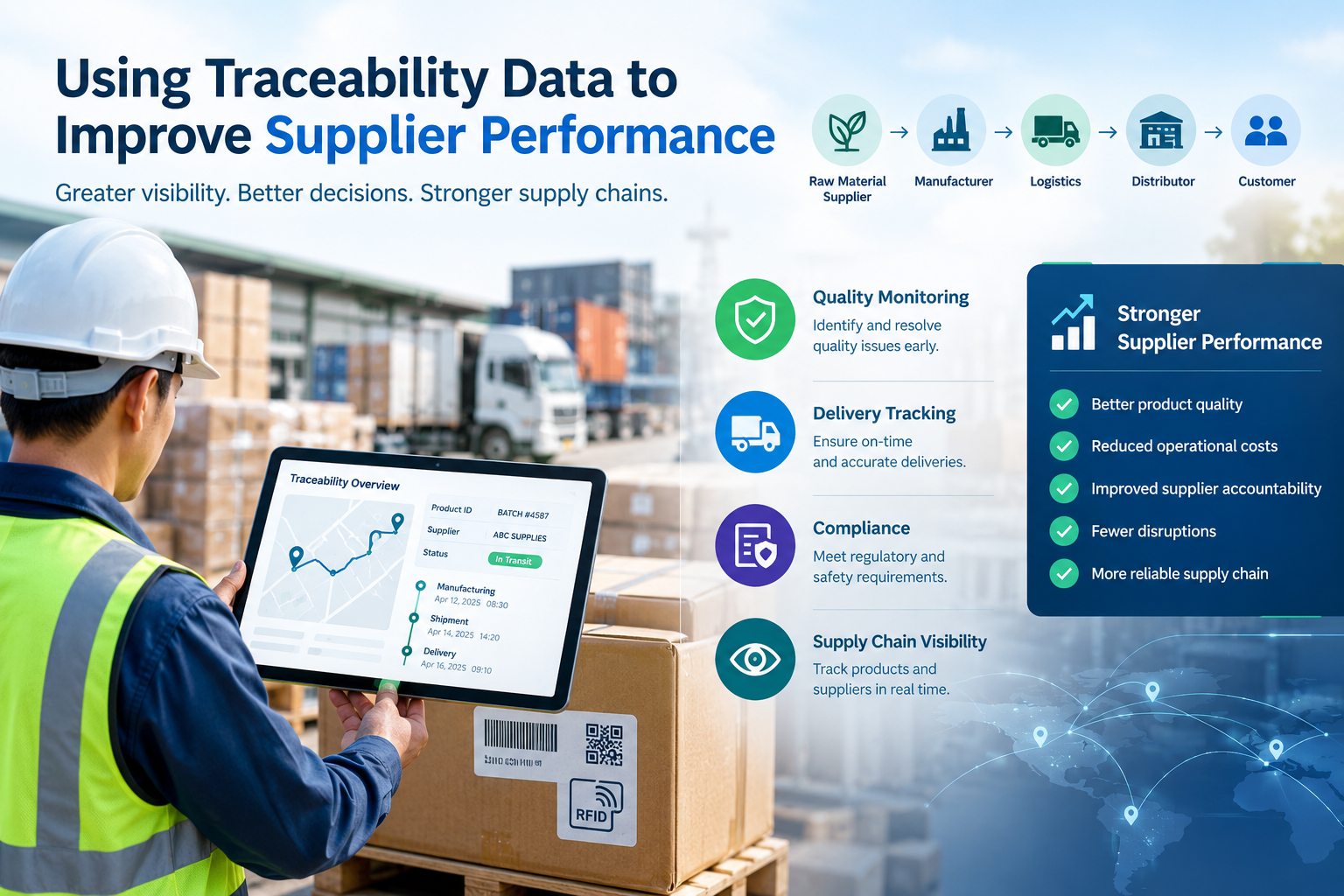
Using Traceability Data to Improve Supplier Performance
In today’s competitive business environment, supplier performance plays an important role in maintaining product quality, reducing operational costs, and ensuring timely deliveries. Businesses need accurate information about their suppliers to make better decisions and manage supply chain operations effectively. This is where traceability data becomes valuable.
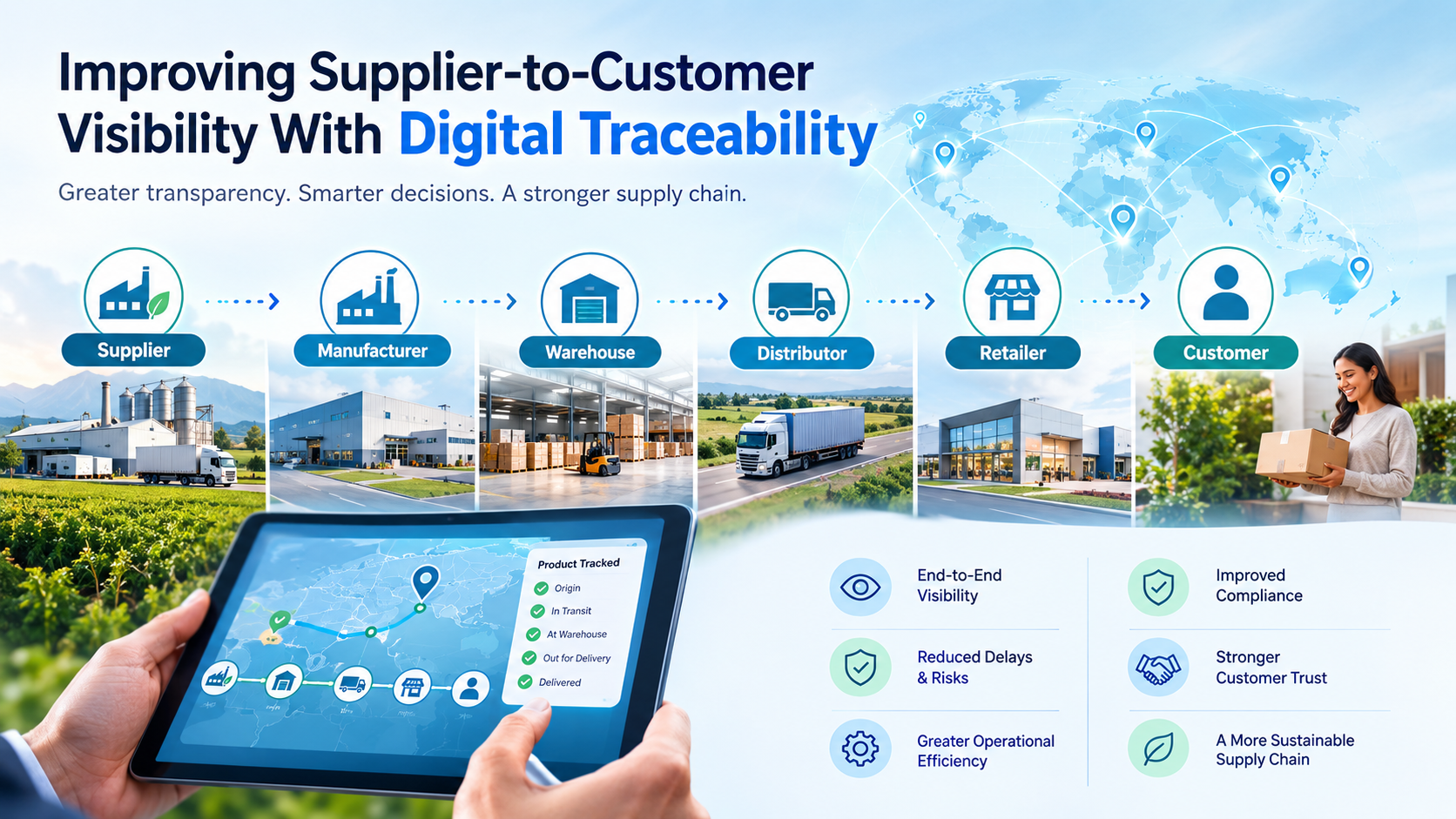
Traceability data helps businesses track products, materials, shipments, and supplier activities throughout the supply chain. By analyzing this information, companies can identify performance issues, monitor delivery timelines, improve product quality, and build stronger relationships with suppliers.
In this blog, we will explore how traceability data for supplier performance can help businesses improve supply chain visibility, measure supplier efficiency, and make data-driven decisions.
Introduction to Traceability Data and Supplier Performance
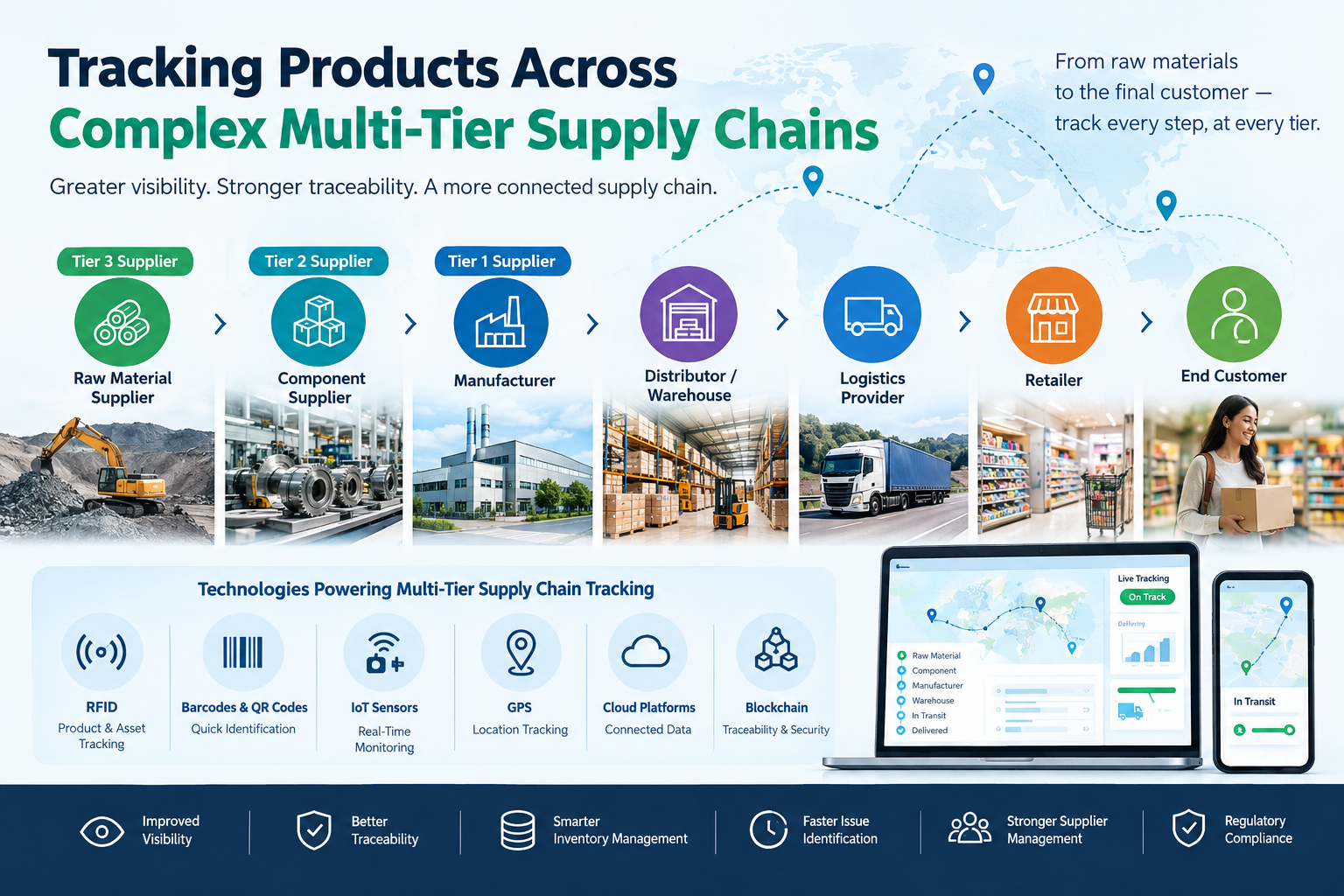
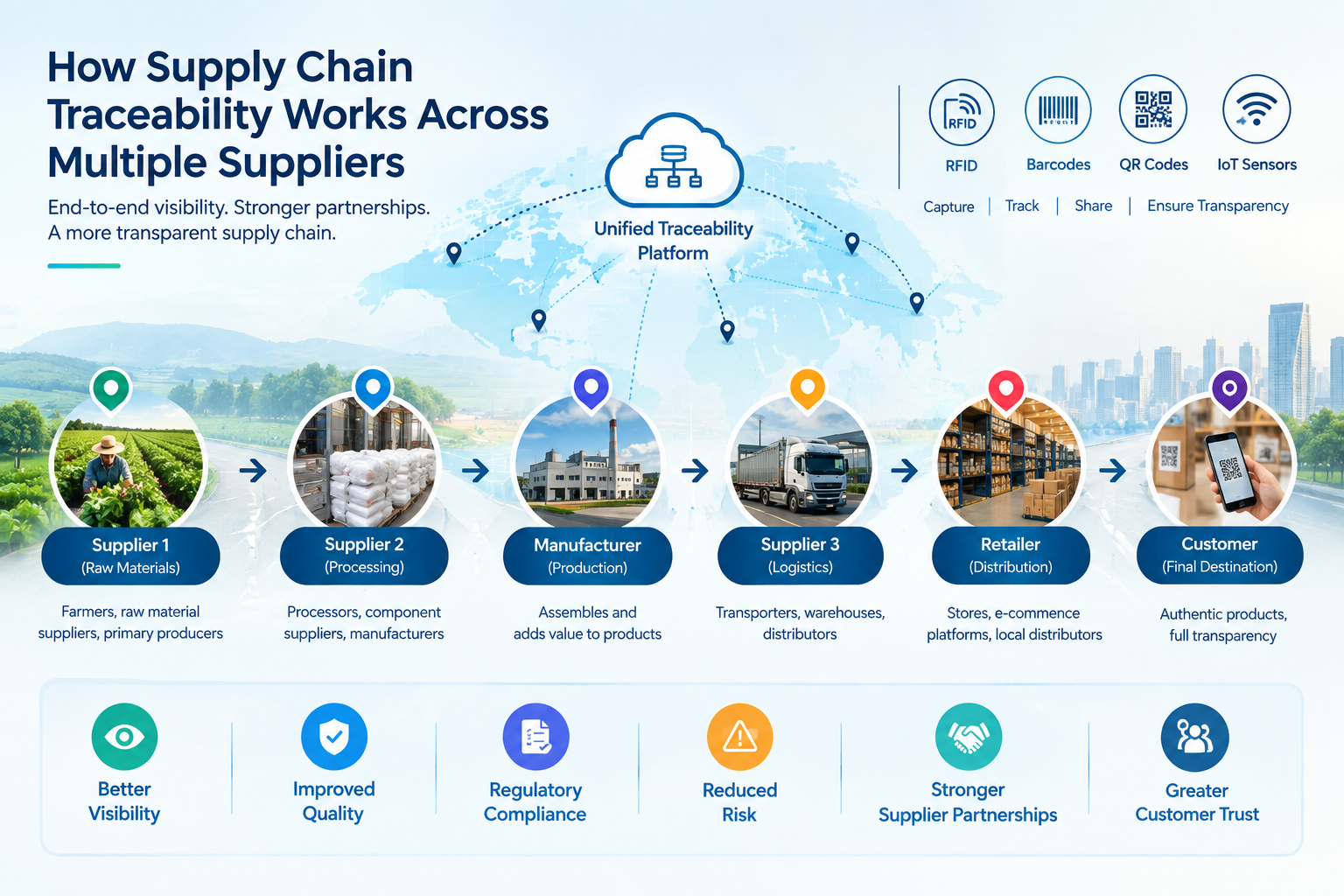
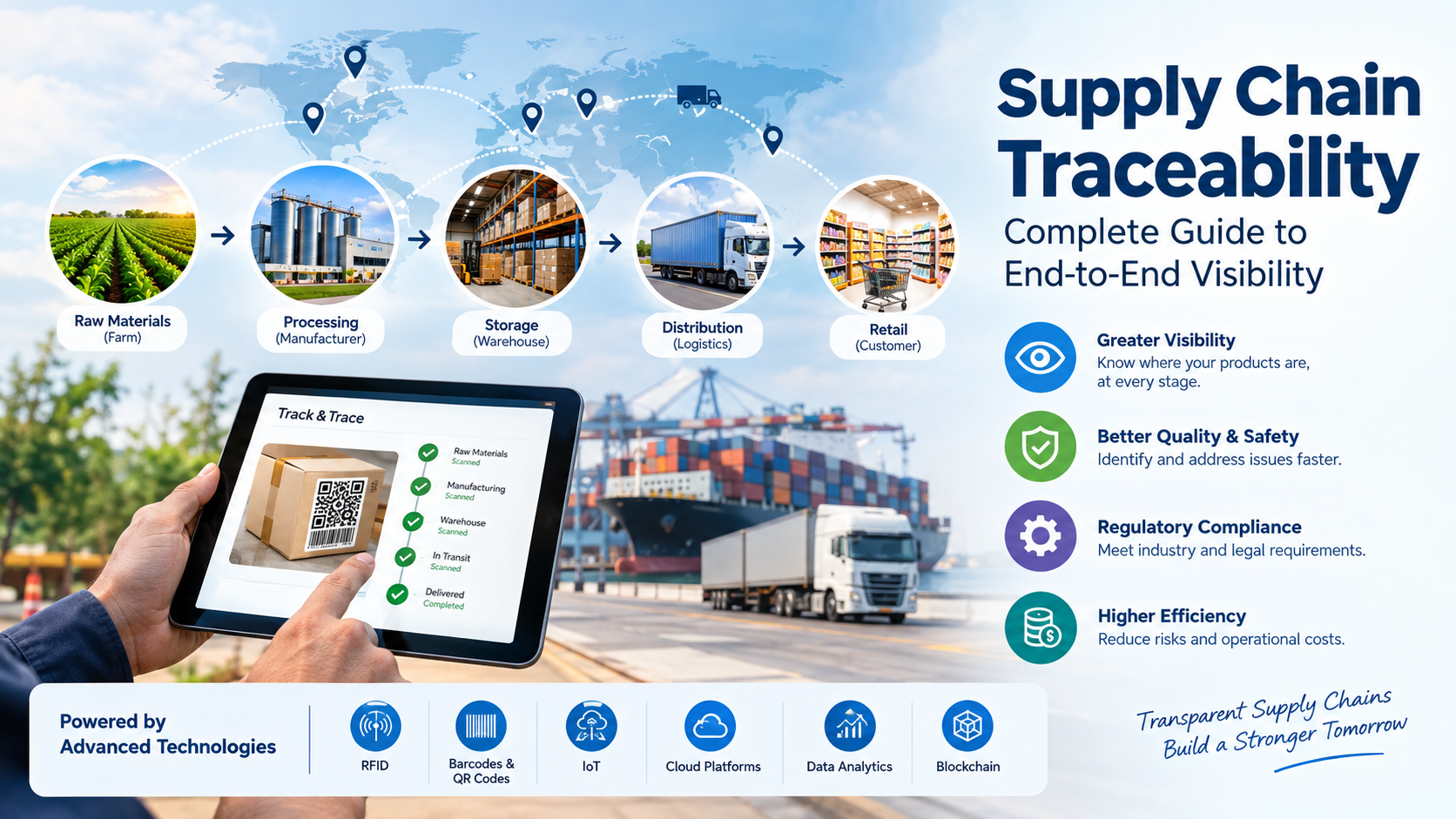
Traceability data refers to information collected throughout a product’s journey, from raw material sourcing to manufacturing, transportation, and final delivery. This information helps businesses understand where products come from, how they move through the supply chain, and whether suppliers meet expected standards.
Supplier performance refers to how effectively a supplier delivers materials or services according to agreed requirements, including quality, cost, delivery time, and compliance.
When businesses combine traceability data with supplier performance monitoring, they gain better visibility into supplier activities and can identify areas that require improvement.
What Is Traceability Data?
Traceability data includes information such as product origin, batch numbers, manufacturing dates, shipment details, inventory movements, and delivery records.
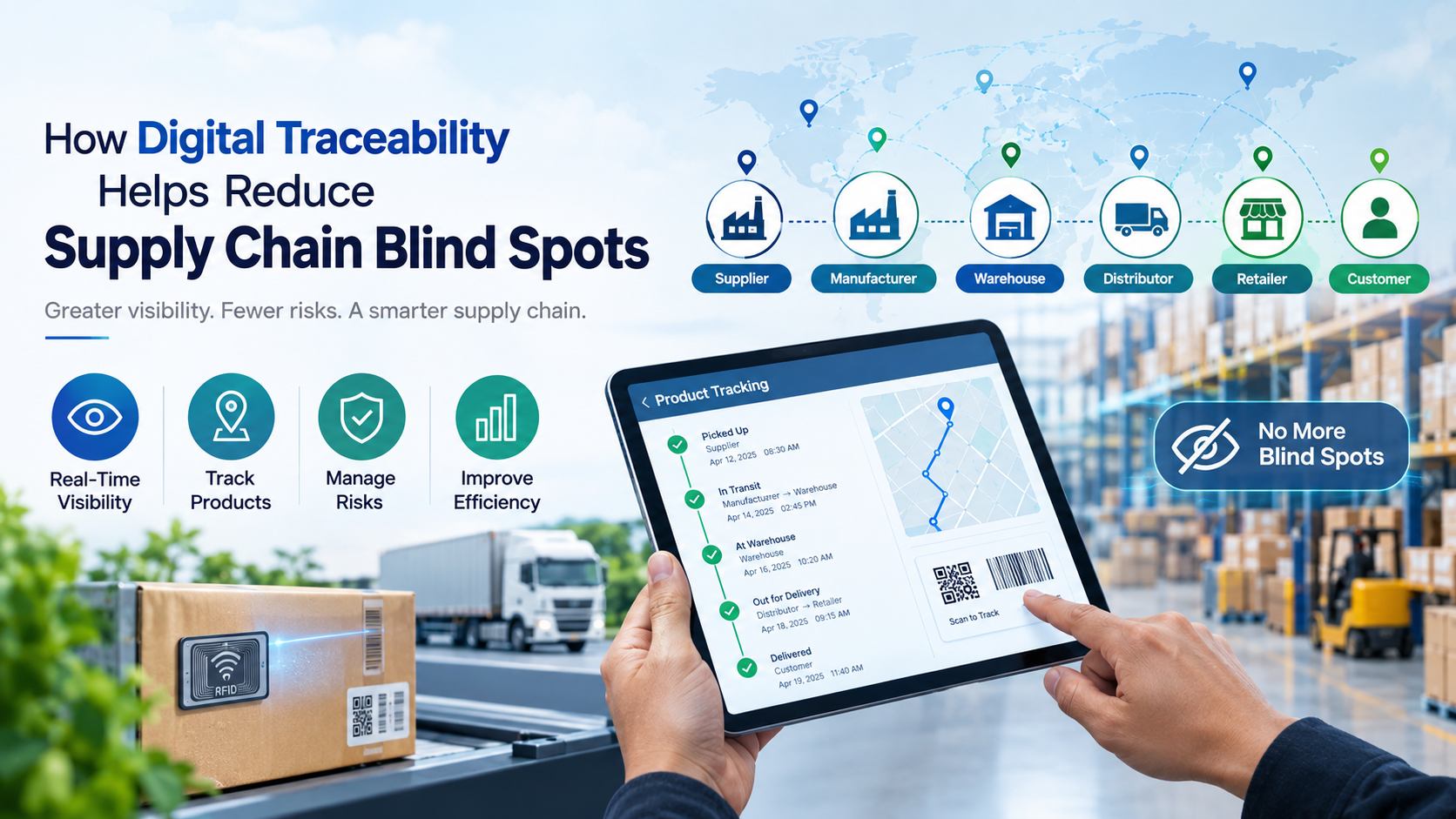
Businesses can collect this information using technologies such as RFID tags, barcodes, QR codes, Internet of Things (IoT) sensors, and supply chain management software.
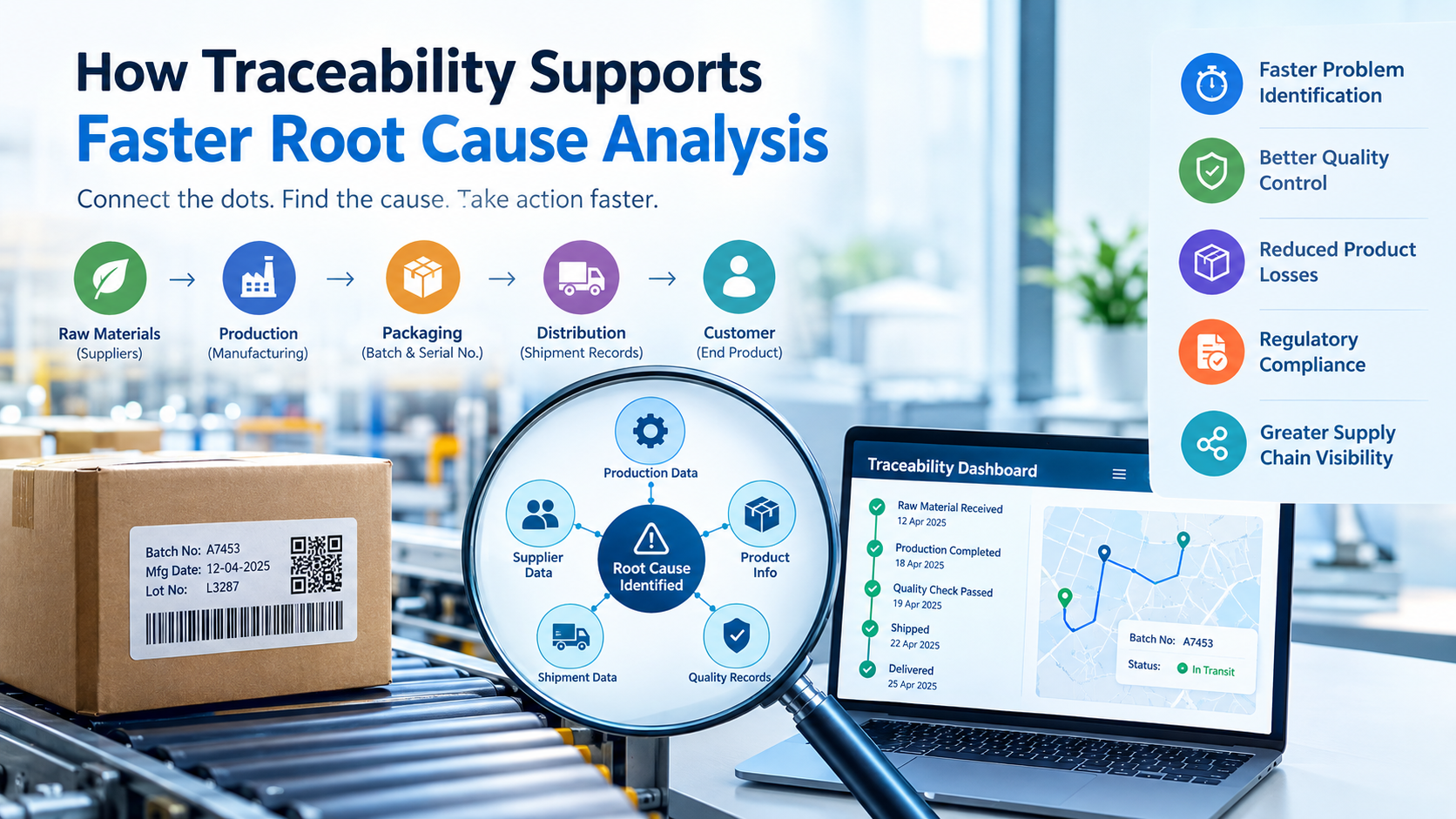
For example, a manufacturer can use traceability data to identify which supplier provided a defective component and determine which products may have been affected.
Why Is Supplier Performance Important?
Reliable suppliers help businesses maintain consistent quality, prevent production delays, and meet customer expectations. Poor supplier performance can lead to defective products, increased costs, missed deadlines, and customer dissatisfaction.
Monitoring supplier performance allows businesses to identify problems early, evaluate suppliers objectively, and make informed decisions about future partnerships.
How Traceability Data Helps Improve Supplier Performance
Traceability data provides businesses with detailed information about supplier activities and supply chain operations. This information can be used to measure performance, identify risks, and improve operational efficiency.
Improving Product Quality and Consistency
Product quality is one of the most important factors when evaluating suppliers. Traceability data helps businesses track raw materials, production batches, inspection records, and quality issues.
If a business identifies repeated defects associated with a particular supplier or batch, it can investigate the source of the problem and take corrective action.
This approach helps reduce waste, improve quality control, and maintain consistent product standards.
Monitoring Supplier Delivery Times
Late deliveries can interrupt manufacturing schedules, create inventory shortages, and affect customer satisfaction.
By tracking shipment dates, dispatch records, estimated arrival times, and actual delivery times, businesses can measure whether suppliers consistently meet their deadlines.
This information helps identify recurring delays and supports discussions with suppliers about improving delivery performance.
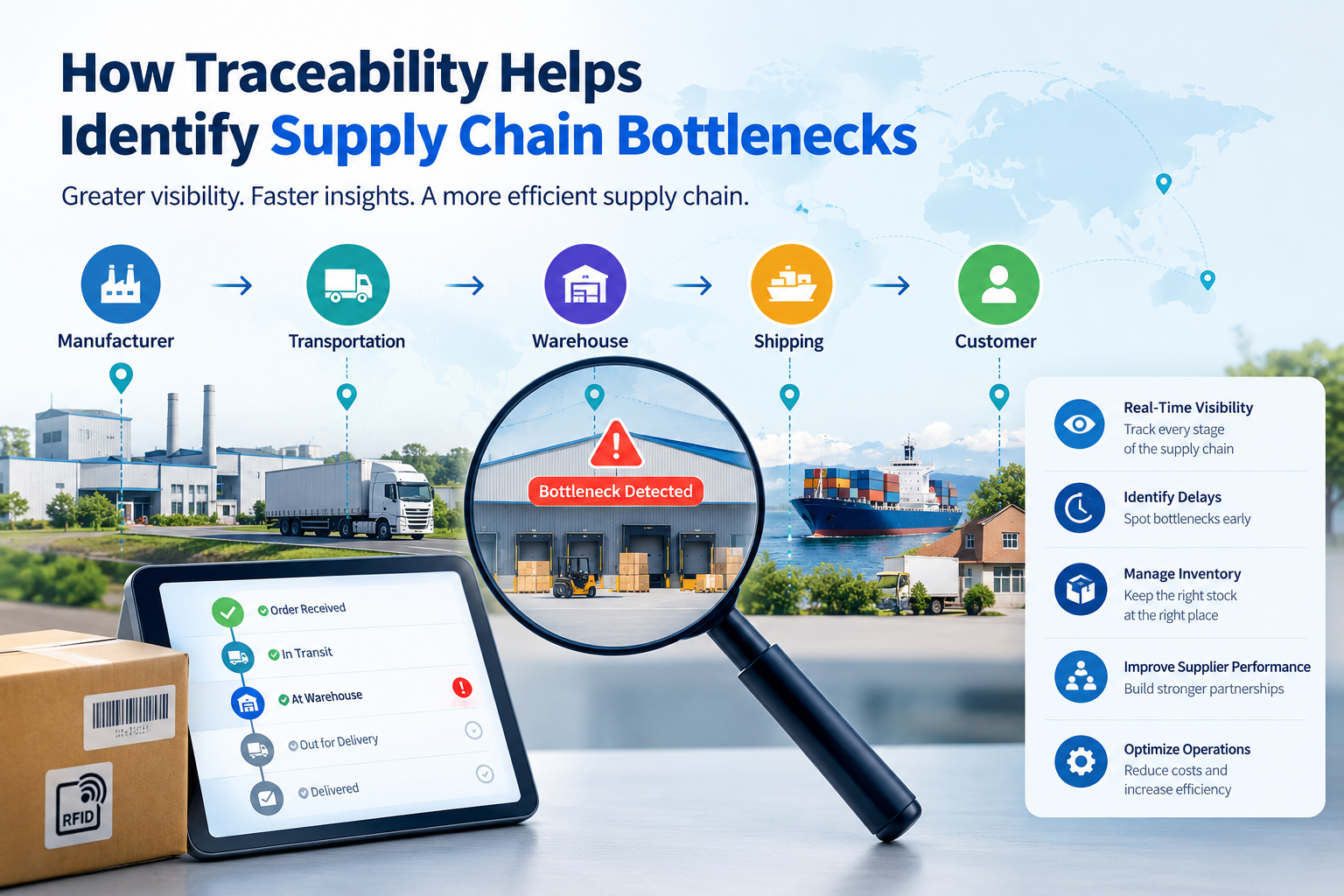
Identifying Supply Chain Bottlenecks
Supply chain bottlenecks can occur during manufacturing, packaging, transportation, or warehouse operations.
Traceability data helps businesses identify where delays occur and determine whether they are related to supplier processes, transportation issues, or inventory management.
Once the cause is identified, businesses can take targeted action to reduce delays and improve the overall flow of materials.
Improving Supplier Compliance and Accountability
Businesses often need suppliers to meet specific quality, safety, documentation, and regulatory requirements.
Traceability records can provide evidence of product origin, batch movement, inspection results, and other relevant activities. These records make it easier to review supplier compliance and investigate discrepancies.
Clear and accessible records also improve accountability by helping businesses understand what happened, when it happened, and where corrective action may be needed.
Key Supplier Performance Metrics to Track
To improve supplier performance, businesses should monitor measurable indicators rather than rely only on assumptions or occasional reviews.
On-Time Delivery Rate
The on-time delivery rate measures the percentage of orders delivered by the agreed deadline.
Formula:
On-Time Delivery Rate = (Orders Delivered on Time ÷ Total Orders Delivered) × 100
For example, if a supplier delivers 90 out of 100 orders on time, the on-time delivery rate is 90%.
Businesses can use this metric to compare supplier reliability and identify recurring delivery problems.
Defect Rate and Product Quality
The defect rate measures the proportion of supplied products or components that fail to meet quality requirements.
Formula:
Defect Rate = (Defective Units ÷ Total Units Received) × 100
A lower defect rate generally indicates better product quality. However, businesses should also consider defect severity, inspection methods, and product-specific quality standards.
Order Accuracy and Lead Time
Order accuracy measures whether suppliers deliver the correct products, quantities, and specifications.
Lead time measures the time between placing an order and receiving the goods.
Traceability records help businesses identify incorrect shipments, measure delivery timelines, and determine whether suppliers consistently meet agreed requirements.
Supplier Compliance Rate
The supplier compliance rate measures the proportion of applicable requirements a supplier meets.
Depending on the business, these requirements may include documentation, quality standards, safety procedures, and delivery conditions.
Monitoring compliance helps businesses identify gaps and ensure that suppliers follow the necessary processes.
Technologies Used to Collect and Analyze Traceability Data
Modern technologies make it easier to collect, organize, and analyze supply chain information. The right solution depends on the products, industry, operational requirements, and level of tracking needed.
RFID and Barcode Tracking
Radio Frequency Identification (RFID) uses radio waves to identify tagged items, while barcodes store information that can be read using an appropriate scanner.
These technologies help businesses record product movements, monitor inventory, track shipments, and maintain more accurate records.
For example, RFID can help a warehouse identify tagged inventory as it moves through designated reading points, while barcode scanning can record items during receiving and dispatch.
IoT Sensors and Real-Time Monitoring
IoT sensors can collect information such as temperature, humidity, location, and movement, depending on the device and its capabilities.
This information is especially useful when suppliers transport products that require controlled environmental conditions, such as certain food items, medicines, or sensitive materials.
Businesses can use sensor data to identify potential problems during transportation and investigate whether handling conditions met the required standards.
Supply Chain Analytics and Dashboards
Supply chain analytics tools transform traceability records into reports, dashboards, and performance indicators.
A dashboard can display delivery performance, defect rates, shipment delays, supplier compliance, and other important metrics.
By reviewing this information regularly, managers can compare supplier performance, identify trends, and prioritize improvement activities.
Best Practices for Using Traceability Data Effectively
Collecting traceability data is only the first step. Businesses must also ensure that the information is accurate, accessible, and connected to clear performance goals.
Set Clear Supplier Performance Goals
Businesses should define measurable expectations for delivery times, product quality, order accuracy, and compliance.
These targets should reflect business requirements and be communicated clearly to suppliers. Consistent measurement helps companies evaluate performance fairly and identify suppliers who need additional support.
Review Data Regularly and Share Feedback
Supplier performance should be reviewed at appropriate intervals based on business needs and supply chain risks.
Regular reviews help businesses recognize recurring issues, evaluate improvement efforts, and discuss performance results with suppliers.
Sharing accurate data with suppliers also encourages transparency and makes it easier to agree on corrective actions.
Use Data to Support Supplier Collaboration
Traceability data should not be used only to identify mistakes. It can also help businesses and suppliers work together to improve processes.
For example, if shipment records show repeated delays at a particular stage, both parties can investigate the cause and develop a practical solution.
This collaborative approach can strengthen supplier relationships and support long-term improvements.
Challenges in Using Traceability Data
Although traceability data provides valuable insights, businesses may face challenges when collecting and managing information across multiple suppliers.
Incomplete or Inaccurate Supplier Data
Missing records, incorrect product details, and inconsistent data formats can affect the reliability of performance reports.
Businesses should establish clear data collection standards, validate important records, and encourage suppliers to provide accurate information.
Integration With Existing Systems
Suppliers may use different software platforms, inventory systems, and tracking technologies. Connecting these systems can require technical resources and careful planning.
Businesses should evaluate system compatibility, data exchange requirements, and integration costs before implementing a traceability solution.
Data Security and Supplier Adoption
Sharing supply chain information requires appropriate access controls and data protection practices.
Some suppliers may also be reluctant to adopt new technologies because of cost, training requirements, or changes to existing workflows.
Businesses can address these challenges through clear communication, suitable training, defined data-sharing policies, and phased implementation.
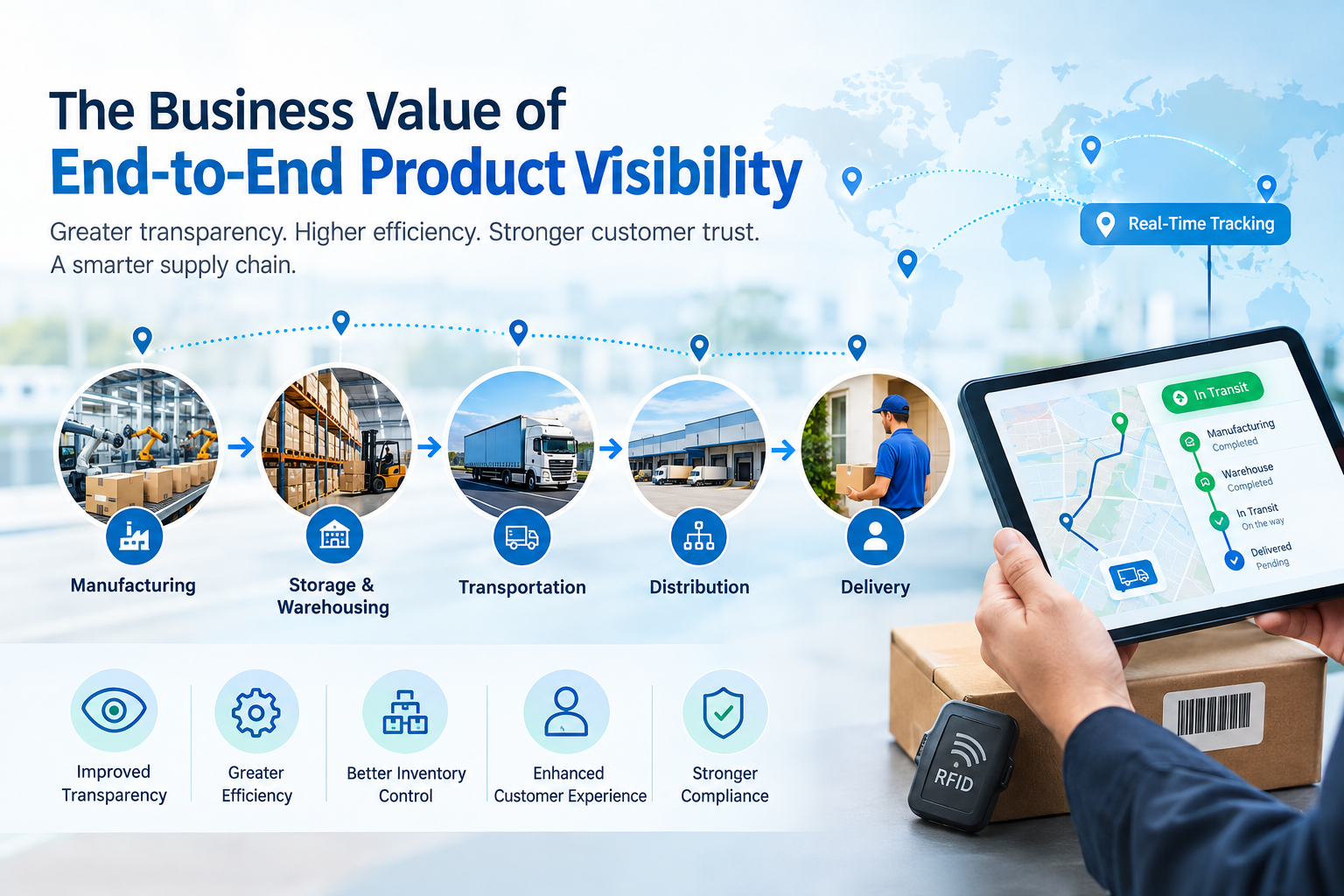
Benefits of Data-Driven Supplier Performance Management
Using traceability data effectively can provide several operational benefits.
- Better product quality: Identify defects and investigate their sources more quickly.
- Improved delivery reliability: Monitor shipment timelines and detect recurring delays.
- Greater supply chain visibility: Understand product movements and supplier activities.
- Reduced operational costs: Identify avoidable waste, errors, and process inefficiencies.
- Stronger supplier relationships: Use reliable performance information to support constructive discussions.
- Improved risk management: Identify potential supply chain problems and take corrective action.
- More informed decisions: Compare suppliers using consistent, measurable performance indicators.
The results depend on data quality, implementation, supplier participation, and how effectively businesses use the information they collect.
Conclusion
Traceability data is an important resource for businesses seeking to improve supplier performance and strengthen supply chain management. By tracking product movements, delivery records, quality information, and supplier compliance, organizations can identify problems and make better operational decisions.
Technologies such as RFID, barcodes, IoT sensors, and supply chain analytics help businesses collect and analyze the information needed to monitor supplier activities.
However, successful implementation requires accurate data, clear performance targets, regular reviews, and collaboration between businesses and their suppliers.
By adopting a data-driven approach, businesses can improve supplier accountability, reduce operational inefficiencies, and build a more transparent and reliable supply chain.
Frequently Asked Questions (FAQs)
1. How Does Traceability Data Improve Supplier Performance?
Traceability data helps businesses monitor product quality, delivery timelines, order accuracy, and supplier compliance. It allows them to identify performance issues, investigate their causes, and take corrective action.
2. What Supplier Performance Metrics Should Businesses Track?
Important metrics include on-time delivery rate, defect rate, order accuracy, lead time, supplier compliance, and cost performance. The most relevant metrics depend on business objectives and supplier responsibilities.
3. How Do RFID and IoT Improve Supplier Traceability?
RFID helps identify and track tagged products, while IoT sensors can collect information such as location, temperature, and humidity. Together with suitable software, these technologies can improve supply chain visibility and support supplier performance monitoring.
4. What Are the Main Challenges of Supplier Performance Tracking?
Common challenges include inaccurate data, disconnected systems, inconsistent reporting, data security concerns, and limited supplier participation. Clear standards and appropriate technology can help address these problems.
5. Can Small Businesses Benefit From Traceability Data?
Yes. Small businesses can start with basic barcode tracking, digital records, and simple supplier performance reports. They can adopt more advanced technologies as their operations and requirements grow.